
Cape Gate Eye

Specialist ophthalmology services

Cape Gate Eye

Specialist ophthalmology services

Cape Gate Eye provides community-based specialist care for the diagnosis and treatment of eye diseases. The practice combines the expertise of experienced ophthalmologists with complementary areas of clinical interest who work together to manage a wide range of eye conditions.

This collaborative approach gives patients access to a broad spectrum of ophthalmology services in a welcoming and professional clinical environment. Each patient is carefully evaluated and informed about their condition and the available treatment options.

Appointments are available by referral from an optometrist or doctor, or by contacting Cape Gate Eye directly.

Specialist eye care

The ophthalmologists at Cape Gate Eye diagnose and manage a variety of eye diseases and conditions affecting vision and eye health, including:

Cataracts

Glaucoma

Macular degeneration

Diabetic eye disease

Retinal conditions

Corneal disease

Eye infections and inflammatory conditions
About the practice

Cape Gate Eye was established to provide specialist ophthalmology services to the community in a professional and accessible clinical environment.
About the practice

Ophthalmologists with complementary clinical interests practise within the same facility and work together in the diagnosis and management of eye diseases. By consulting within the same clinical environment, patients can benefit from a wider range of specialist ophthalmology services while receiving coordinated care throughout their treatment.

The practice is equipped with advanced diagnostic imaging technology that assists in the careful evaluation of eye conditions. This allows the ophthalmologists to assess the health of the eye in detail and to determine the most appropriate treatment for each patient.

At Cape Gate Eye, the focus remains on clear communication and patient understanding. Patients are informed about their condition, the possible treatment options, and the proposed course of care so that they can make informed decisions regarding the health of their eyes.

Our Ophthalmologists

Cape Gate Eye is staffed by experienced ophthalmologists
with distinct areas of clinical interest:

Dr Laurens van der Merwe

Dr Van der Merwe is an ophthalmologist with a special interest in cataract surgery and vitreoretinal disease. His work includes the diagnosis and surgical management of conditions affecting the retina and other structures within the eye.

Dr Sandra de Vasconcelos

Dr De Vasconcelos is an ophthalmologist with particular clinical interests in cataract surgery, glaucoma, and corneal disease. Her work involves the diagnosis and management of a variety of eye conditions affecting both the front and back of the eye

Our Team

Patients visiting Cape Gate Eye are supported by a professional team that assists the ophthalmologists in providing attentive care throughout the consultation process.

Reception staff assist patients with appointments and enquiries, while ophthalmic assistants perform preliminary tests to assess vision and eye health before the consultation with the ophthalmologist.

Working together with the doctors, the practice team helps guide patients through each step of the consultation process in a welcoming and supportive environment.

Our Team

What to expect during your visit

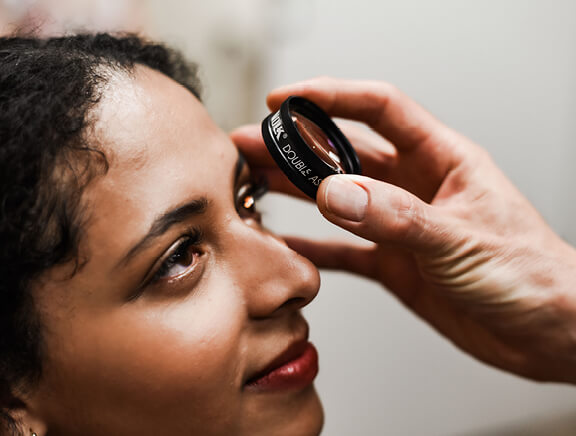
A consultation at Cape Gate Eye usually begins with the registration process, followed by a series of preliminary tests performed by an ophthalmic assistant. These tests help assess aspects of vision and eye health before the consultation with the ophthalmologist.

During the consultation, the ophthalmologist will review the patient’s medical history, evaluate the results of the preliminary tests, and perform a detailed examination of the eyes. In some cases, eye drops may be used to dilate the pupils so that the structures at the back of the eye can be examined more thoroughly. These drops may temporarily blur vision for several hours. For this reason, patients are advised to arrange transport, or have someone accompany them to the appointment, if pupil dilation may be required.

Once the examination has been completed, the ophthalmologist will discuss the diagnosis with the patient and explain the available treatment options. Depending on the condition, treatment may involve monitoring, medical therapy, or surgical procedures performed in a hospital setting.

What to bring to your appointment

To assist with the consultation process, patients should bring:

Identification document

Identification document

Medical aid details

Medical aid details

Any relevant referral letters or medical reports

A list of current medications, if applicable

A list of current medications, if applicable

Most recent pair of glasses, if applicable

Most recent pair of glasses, if applicable

Take the next step toward clearer vision

Book your appointment with our specialist team and receive expert care tailored to your needs.
Scroll to Top