
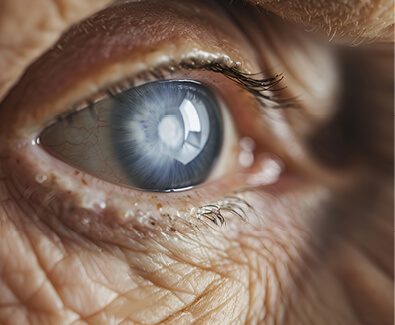
Cataracts
Cataracts occur when the natural lens inside the eye becomes cloudy. This can lead to blurred vision, difficulty seeing clearly at night, and changes in colour perception. Cataracts are a common cause of reduced vision, particularly as people get older. When the condition begins to affect daily activities, surgical treatment may be considered.

Glaucoma
Glaucoma refers to a group of eye diseases that can damage the optic nerve and affect vision. In many cases, glaucoma develops gradually and may not cause noticeable symptoms in the initial stages. Regular eye examinations are important for detecting glaucoma early and managing the condition appropriately.

Macular degeneration
Macular degeneration affects the central part of the retina, known as the macula, which is responsible for detailed vision. The condition may lead to difficulty reading, recognising faces, or seeing fine details. Early diagnosis and ongoing monitoring are important in managing this condition.

Diabetic eye disease
Patients with diabetes may develop changes in the retina that can affect vision. These changes, often referred to as diabetic eye disease or diabetic retinopathy, may develop over time, and require regular monitoring. Early detection and appropriate management play an important role in protecting vision.

Retinal conditions
The retina is the light-sensitive tissue at the back of the eye that plays a vital role in vision. Various conditions may affect the retina, including retinal tears, retinal detachment, and other disorders that may cause changes in vision. Evaluation by an ophthalmologist is important when retinal conditions are suspected.

Corneal conditions
The cornea is the clear front surface of the eye. Diseases or injuries affecting the cornea may cause blurred vision, discomfort, or increased sensitivity to light. Some corneal conditions require specialised evaluation and treatment.

Eye infections and inflammatory conditions
Certain infections or inflammatory conditions may affect the eye and surrounding tissues. These conditions may cause redness, discomfort, discharge, or changes in vision. Medical evaluation is important to determine the cause and to guide appropriate treatment.